California Prop 13 explained: why neighbors pay such different property taxes
How Proposition 13 sets California property taxes at about 1% of purchase price with 2% yearly increases, what Prop 19 changed, and what it means for buyers.
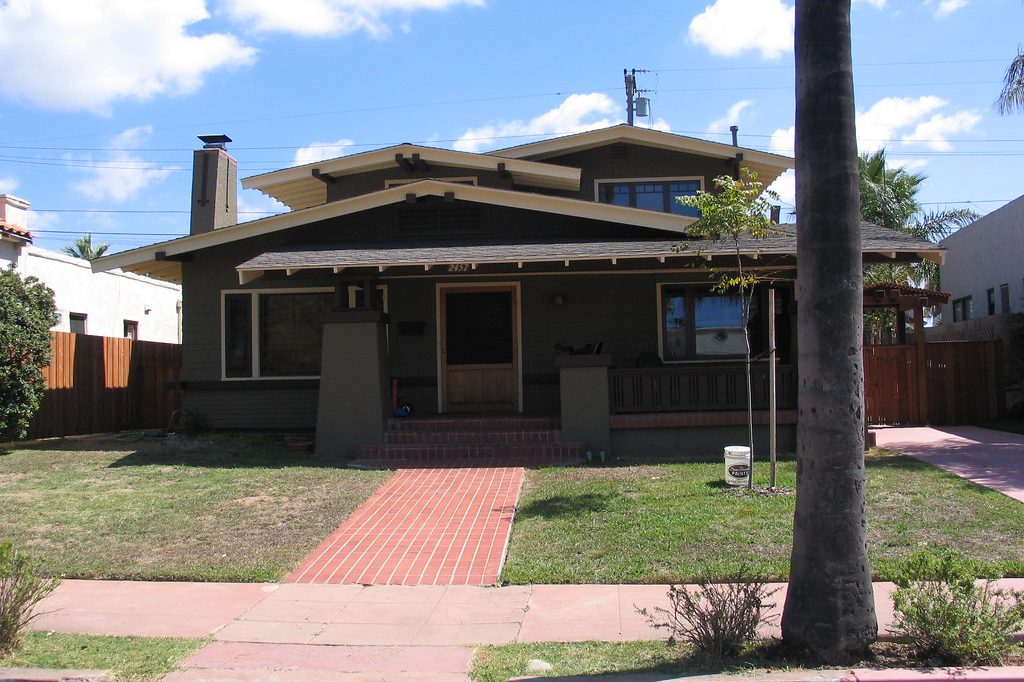
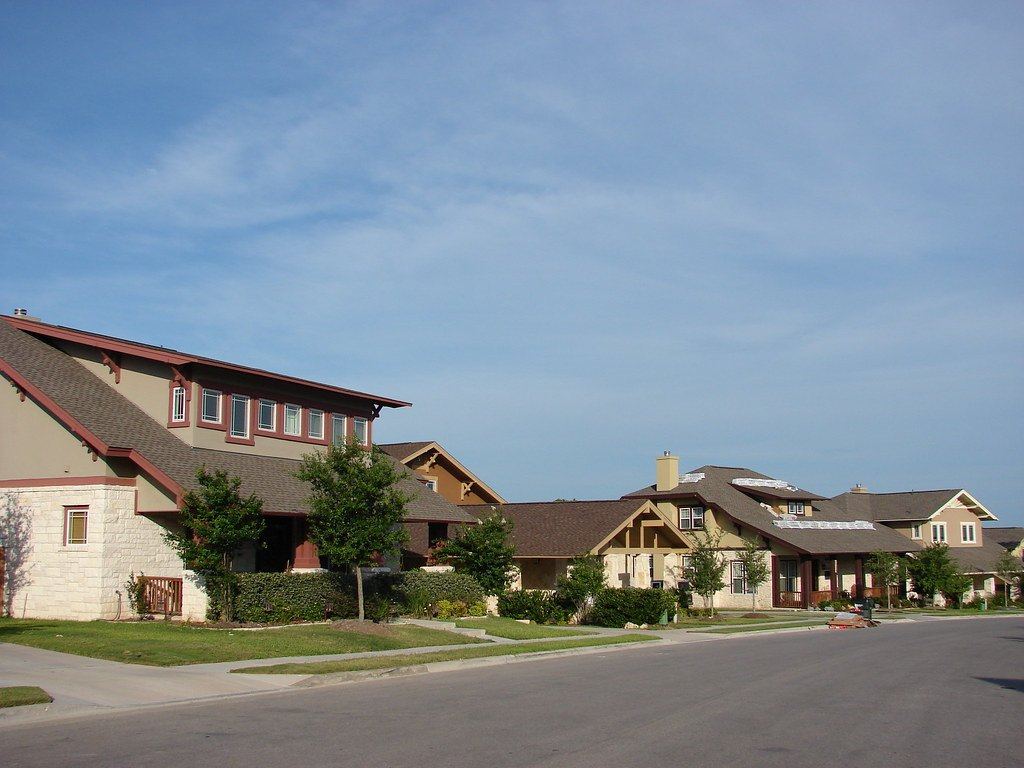
Two identical houses on the same California street can have property tax bills that differ by ten times. One owner bought in 1995 and pays about $2,000. The other bought last year and pays about $12,000. Both are following the same law, Proposition 13, which voters approved in 1978 and which still shapes every property tax bill in the state.
What Prop 13 does
Prop 13 has three main rules.
- The base rate is 1%. General property tax is capped at 1% of a home’s assessed value. Voter-approved bonds, mostly for schools, are added on top, so most bills land between about 1.1% and 1.25% of assessed value.
- Assessed value starts at the purchase price. When you buy a home, its assessed value is reset to what you paid.
- Yearly increases are capped at 2%. After that, assessed value can rise by no more than 2% a year, even if the market value doubles. It is reset only when the home sells or when new construction is added.
Why the typical rate looks so low
Census survey figures for 2020 to 2024 put California’s typical bill at $5,124 a year on a median home worth $734,700. That is an effective rate of about 0.70%, well below the national 0.94% and far below the 1% base rate.
The reason is the gap between market value and assessed value. Owners who bought years ago have assessed values far below today’s prices, so their tax as a share of market value is small. Look at large counties and the pattern repeats: Los Angeles County at about 0.68% on a $834,200 median home, San Diego County about 0.68% on $854,700, and Santa Clara County about 0.67% on roughly $1.5 million.
Recent buyers do not get that low rate. Their bill is based on what they just paid, so it is closer to 1.1% to 1.25% of value. Owners with a mortgage, who tend to have bought more recently, report a typical California bill of $5,839, against $3,825 for owners without one.
Mello-Roos and special assessments
Newer neighborhoods often carry extra charges. A Mello-Roos district, formally a Community Facilities District, adds a special tax to pay for roads, schools or parks in a new development. Other special assessments cover things like lighting or flood control. These are not limited by Prop 13’s 1% cap and can add several thousand dollars a year. Before buying, check the tax bill or the disclosure for the parcel, not just the purchase price.
What Prop 19 changed
Prop 19, approved in 2020, changed two parts of the system.
- Moving with your tax base. Owners who are 55 or older, have a severe disability, or lost a home to wildfire or disaster can now move anywhere in California and carry their old assessed value to a new home, up to three times. If the new home costs more, the difference is added to the carried value.
- Inheriting a home. Children who inherit a parent’s home keep the low assessed value only if they move in as their main home, and only up to a limit above the old value. Inherited rentals and vacation homes are reassessed at market value.
The homeowners’ exemption
California’s homestead break is small. The homeowners’ exemption takes $7,000 off assessed value, saving about $70 a year. It still requires a one-time claim with the county assessor, and many new owners miss it.
What it means for buyers
When budgeting for a California home, assume a property tax of about 1.1% to 1.25% of the purchase price, plus any Mello-Roos or special assessments. The seller’s current bill tells you little, because it reflects their purchase price, not yours. Shortly after you buy, you will also receive a supplemental tax bill covering the gap between the old and new assessed values for the rest of the tax year.
Common questions
Is California a high property tax state? By typical effective rate, no. It ranks among the lower states because long-time owners pay little. By typical bill, it is above average because homes are expensive.
Can my assessed value ever go down? Yes. If market value falls below your Prop 13 value, you can ask the assessor for a temporary reduction, often called a Prop 8 decline in value.
Does remodeling trigger reassessment? New construction, such as an addition, is assessed and added. Ordinary repairs and maintenance are not.
Figures from the US Census Bureau American Community Survey, 2020-2024. How we calculate them.