Property tax guides
How property tax works, where it is highest and lowest, and how to pay less.
Typical effective property tax rate, yearly bill and median home value for all 50 states and DC, from the latest Census survey.
Why the rate on your bill is not the rate you really pay, and how to work out your own effective property tax rate in two minutes.
New Jersey owners pay a typical $9,590 a year. Here is where that money goes, which counties pay the most, and what relief exists.
Texas has no state income tax, so property tax does the heavy lifting. Typical bills for Harris, Dallas, Travis and other big counties, plus exemptions and protests.
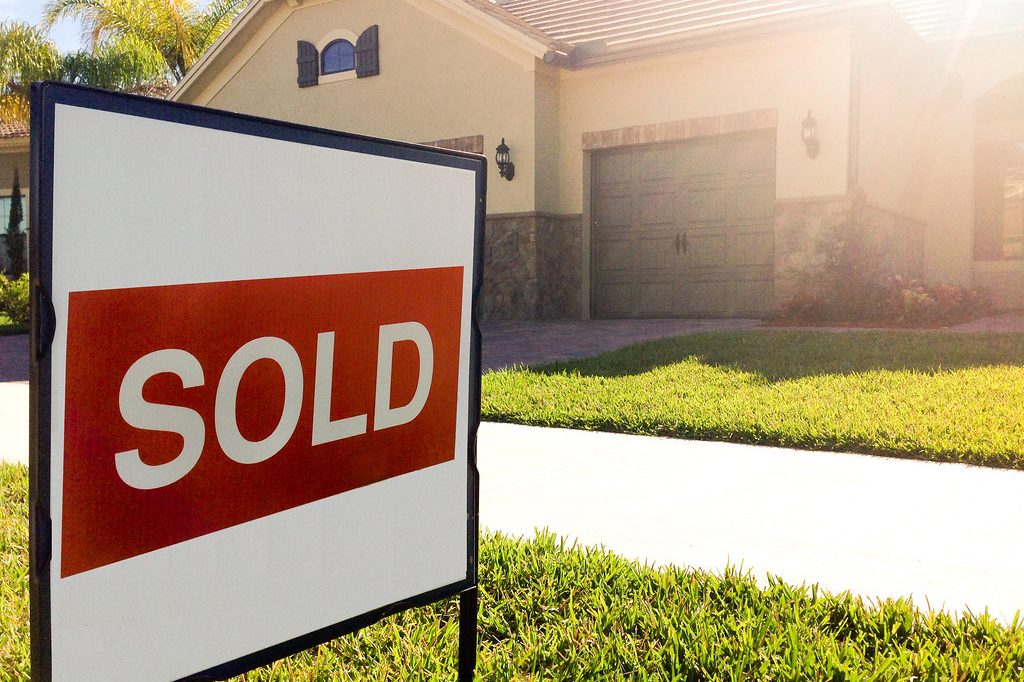
The tax the seller paid is often not the tax you will pay. How reassessment, lost exemptions and escrow work in your first year as an owner.

When an appeal is worth it, what evidence wins, and the deadlines that trip most homeowners up.
Hawaii, Alabama, Nevada, Arizona and Colorado have the lowest effective rates. What a typical owner pays there, and what makes up the difference.
The typical US bill equals about 4% of household income. In parts of New Jersey and New York it is over 10%. The counties where tax weighs heaviest.
What a homestead exemption is, how much it saves in different states, who qualifies and why you usually have to apply for it yourself.

The four main ways states lower property taxes for older homeowners, with examples from Texas, Illinois, California and others, and how to apply.
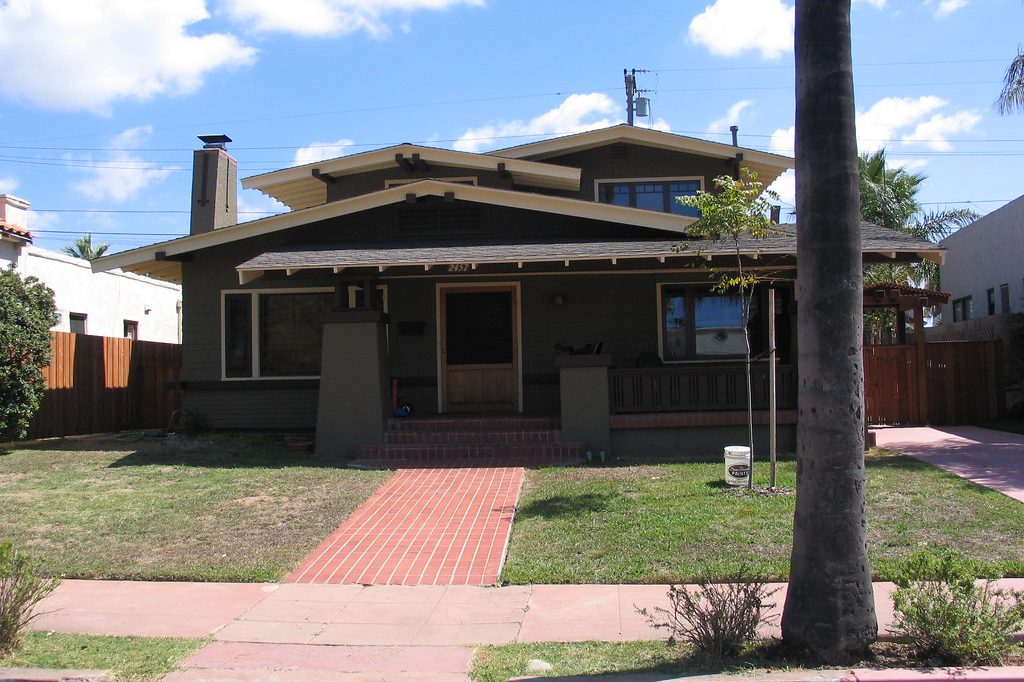
How Proposition 13 sets California property taxes at about 1% of purchase price with 2% yearly increases, what Prop 19 changed, and what it means for buyers.
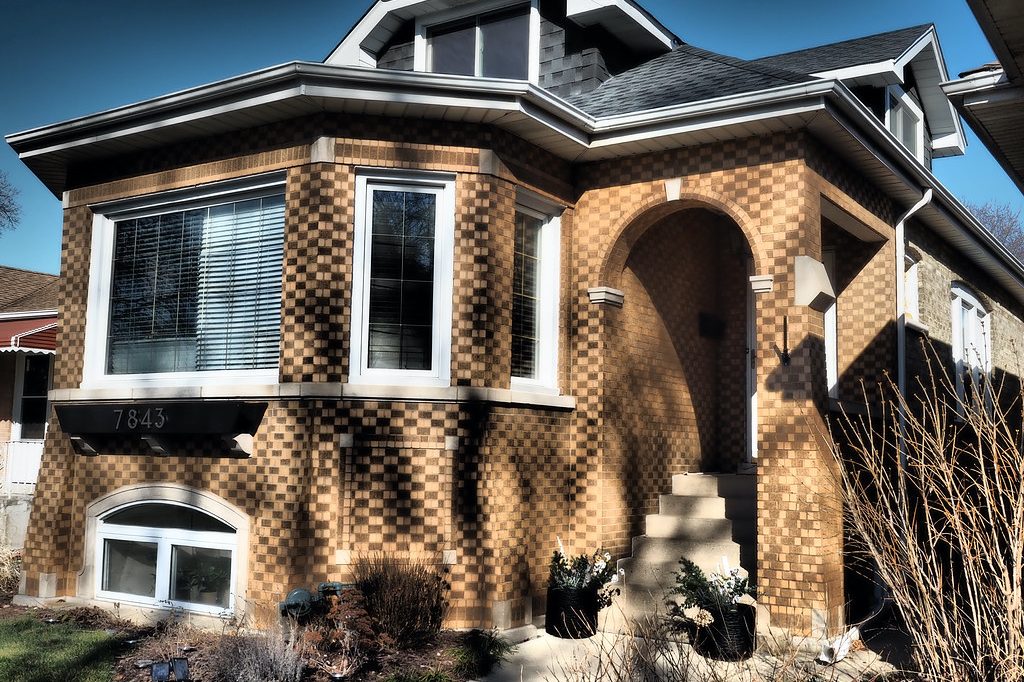
How Cook County, Illinois, turns market value into a tax bill, why bills arrive in two installments, which exemptions to claim and how appeals work.
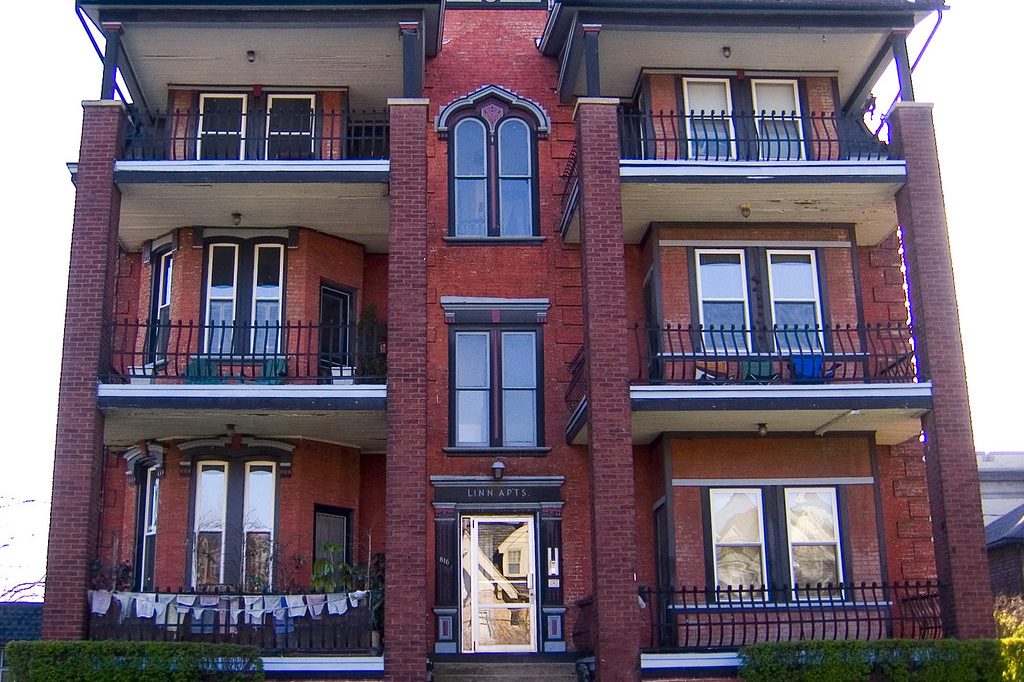
Renters never get a property tax bill, but landlords build it into rent. How much of your rent may be property tax, and the states that give renters money back.
How lenders collect property tax through escrow, why the monthly payment goes up after a reassessment, what an escrow shortage is and what you can do about it.
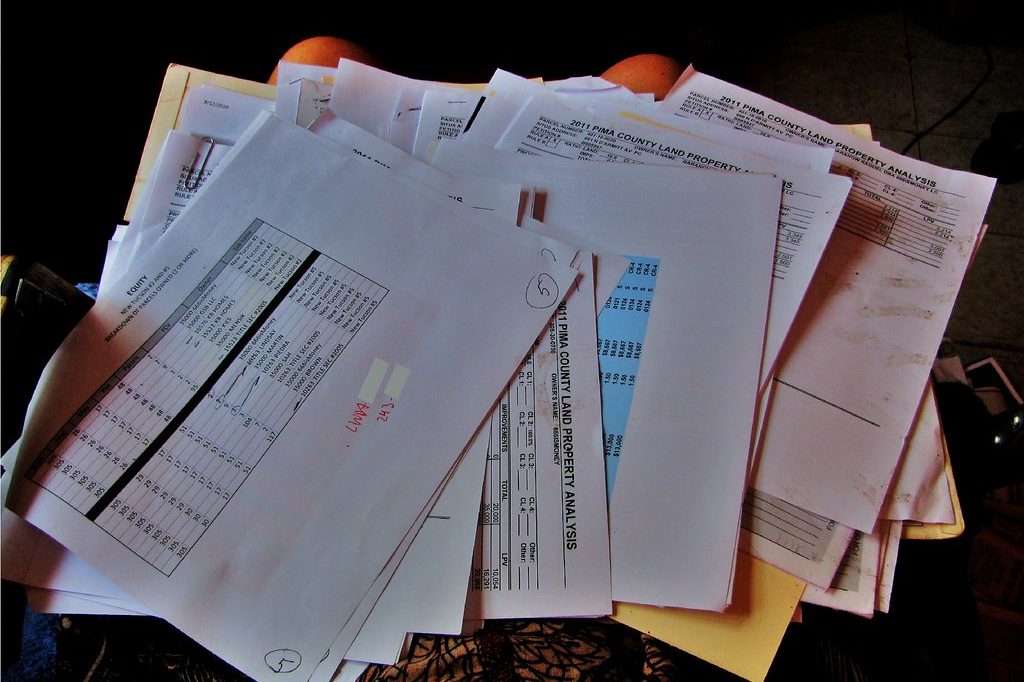
What each part of a property tax bill means: parcel number, assessed and taxable value, exemptions, the list of taxing districts, rates, due dates and penalties.
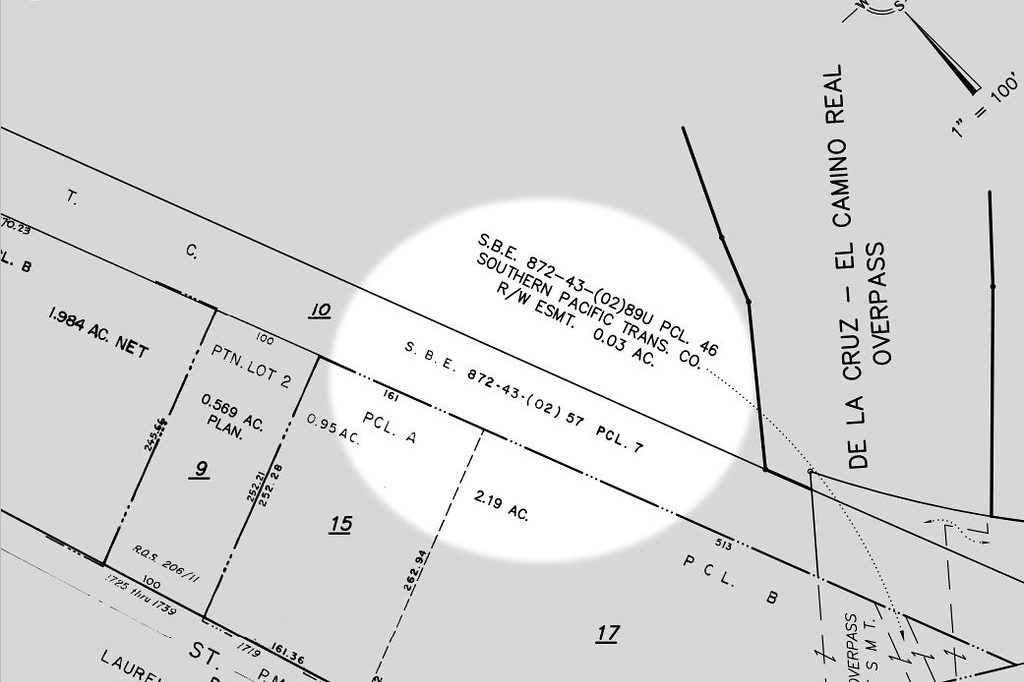
Why the value on your property tax notice rarely matches what your home would sell for, with assessment ratios, yearly caps and what each means for your bill.
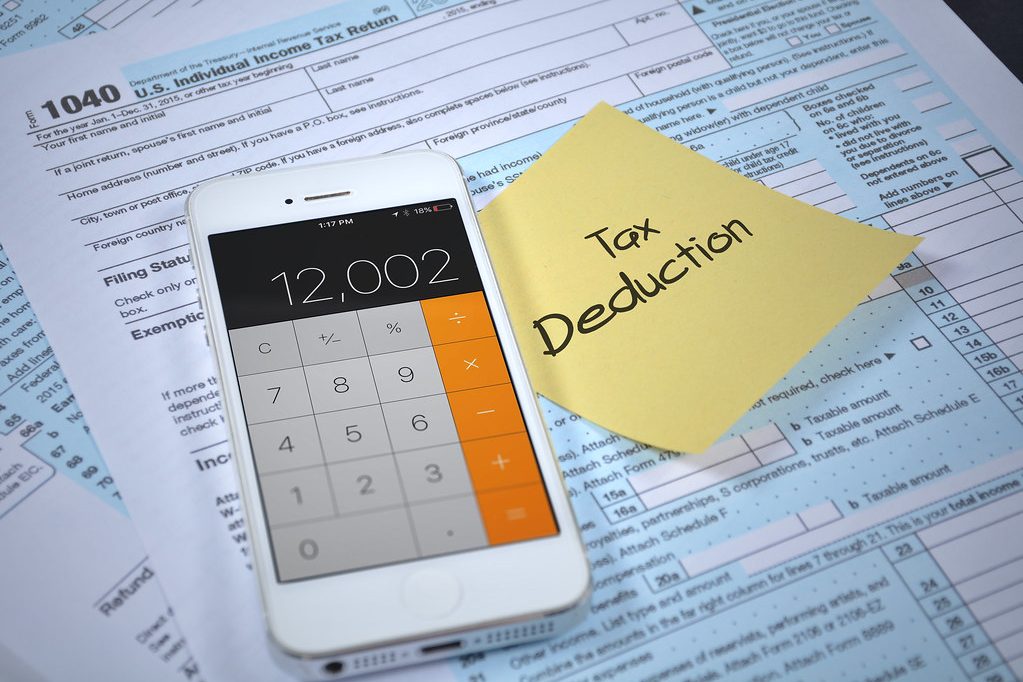
How the federal deduction for state and local taxes works for homeowners in 2026, including the $40,400 cap, the income phase-down and when itemizing is worth it.
The steps from a missed property tax payment to a tax lien or tax deed sale, how long you have to catch up, and the help available before it gets that far.

How school districts set their share of your property tax, why bills differ across a single city, and what school levies and bond votes mean for homeowners.
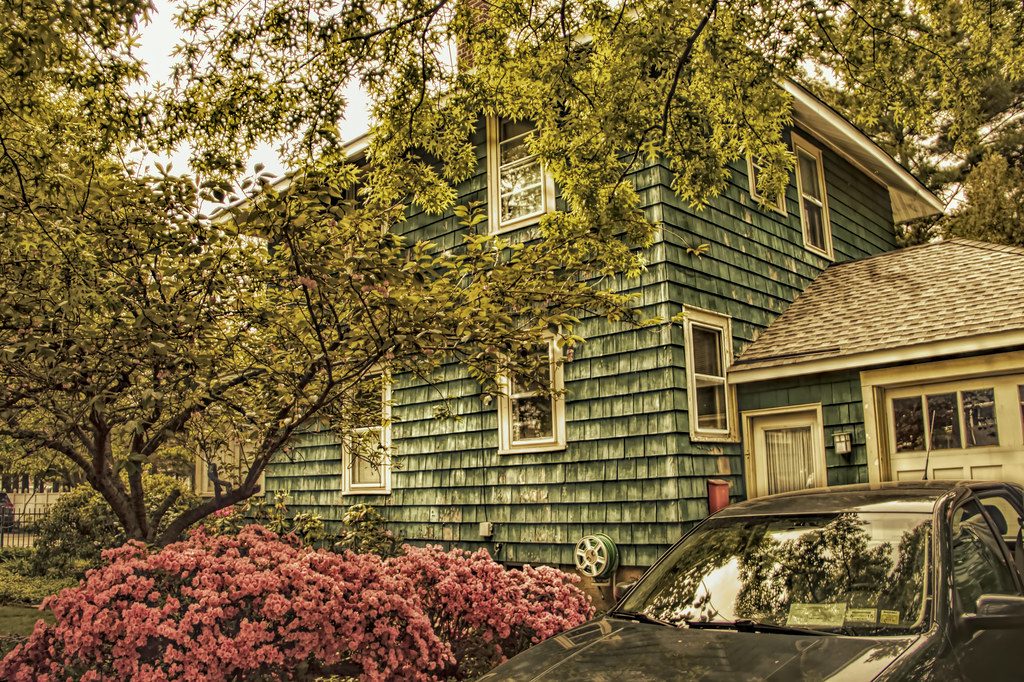
Why New York homeowners pay some of the highest property taxes in the country, why New York City rates are low and upstate rates are high, and how STAR, the tax cap and grievance day work.
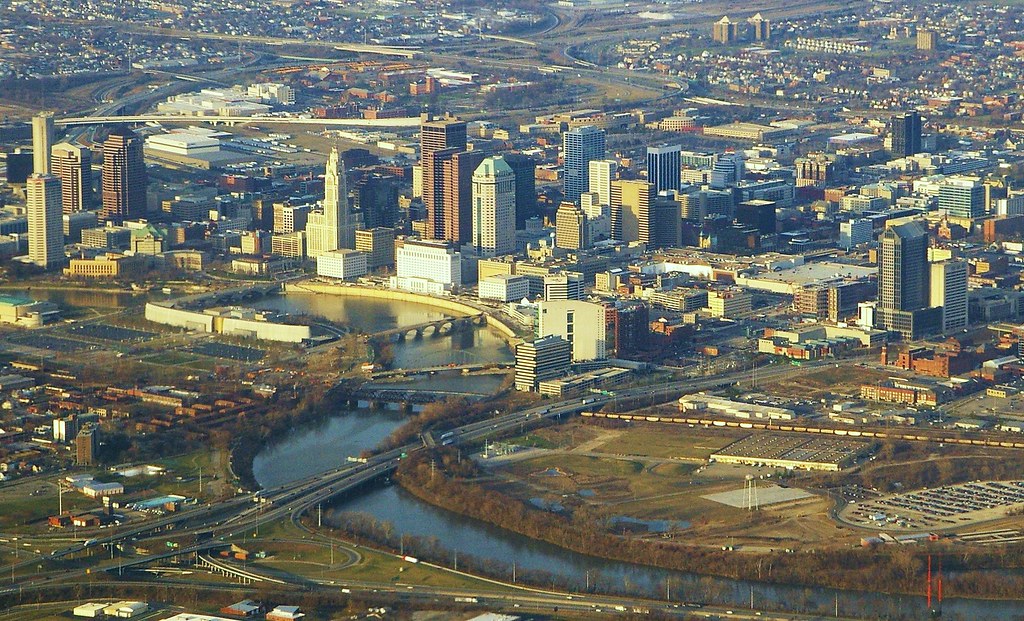
How Ohio property tax works: the 35% assessment, voter-approved levies, reduction factors, the 10% and 2.5% rollbacks, the homestead exemption and how to file with the Board of Revision.
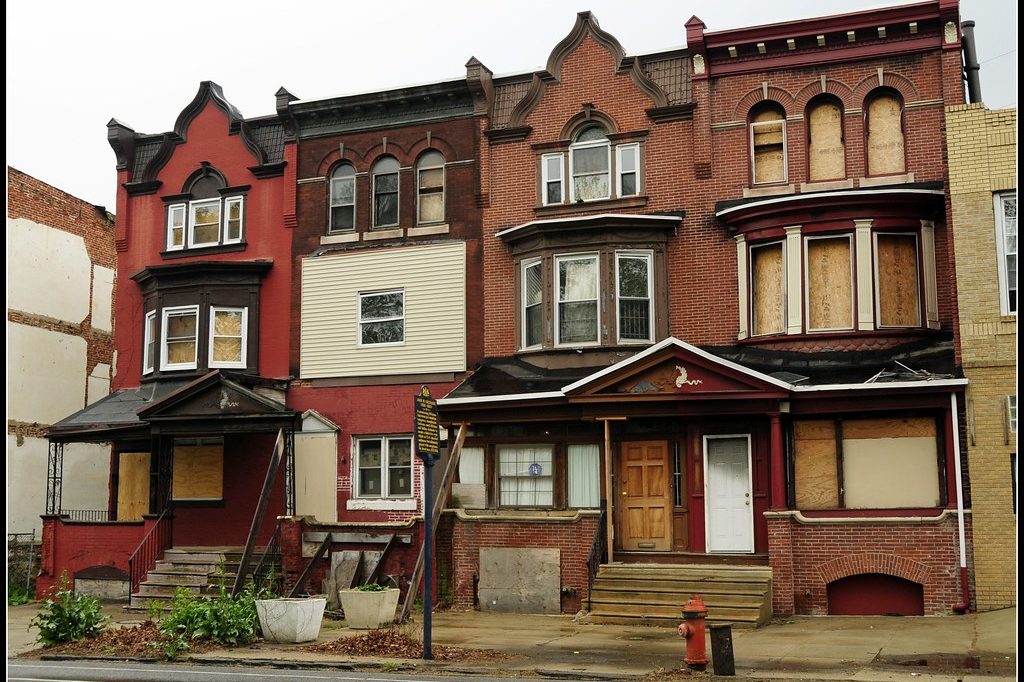
How property tax works on a rental home or second home, why it is often higher than on a primary residence, how to deduct it, and how it affects rents.
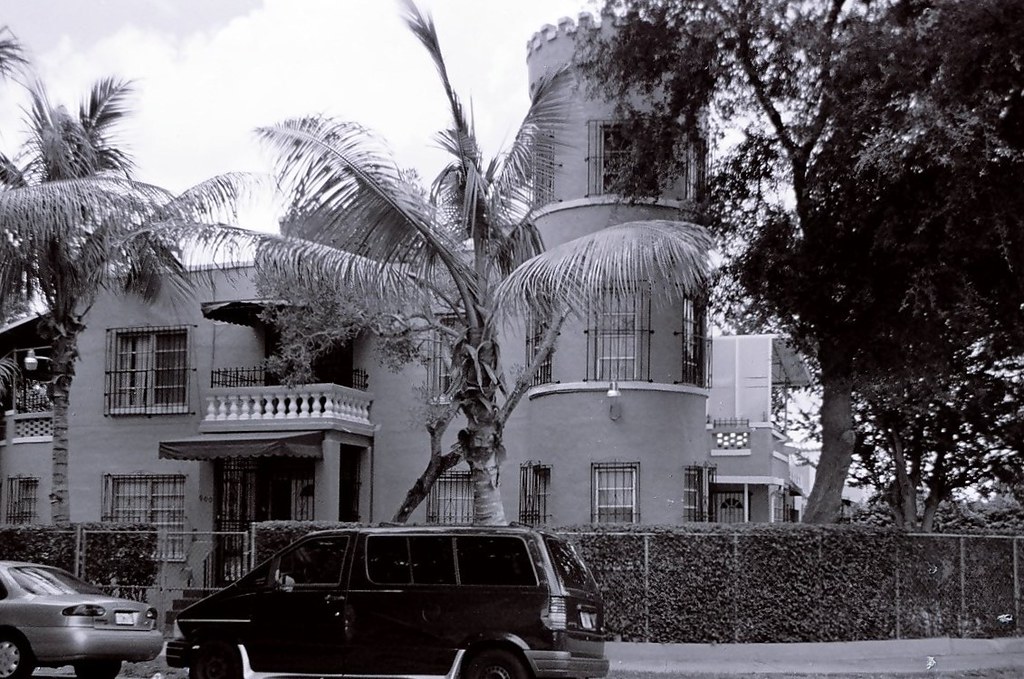
How Florida property tax works: the homestead exemptions, the 3% Save Our Homes cap, portability, the TRIM notice, early-payment discounts and what Amendment 3 changes from 2027.
How Pennsylvania property tax works: county assessments that may be decades old, school districts' large share, the homestead exclusion, discount and penalty periods, appeals and the rebate for seniors.