Do renters pay property tax? How it shows up in your rent
Renters never get a property tax bill, but landlords build it into rent. How much of your rent may be property tax, and the states that give renters money back.
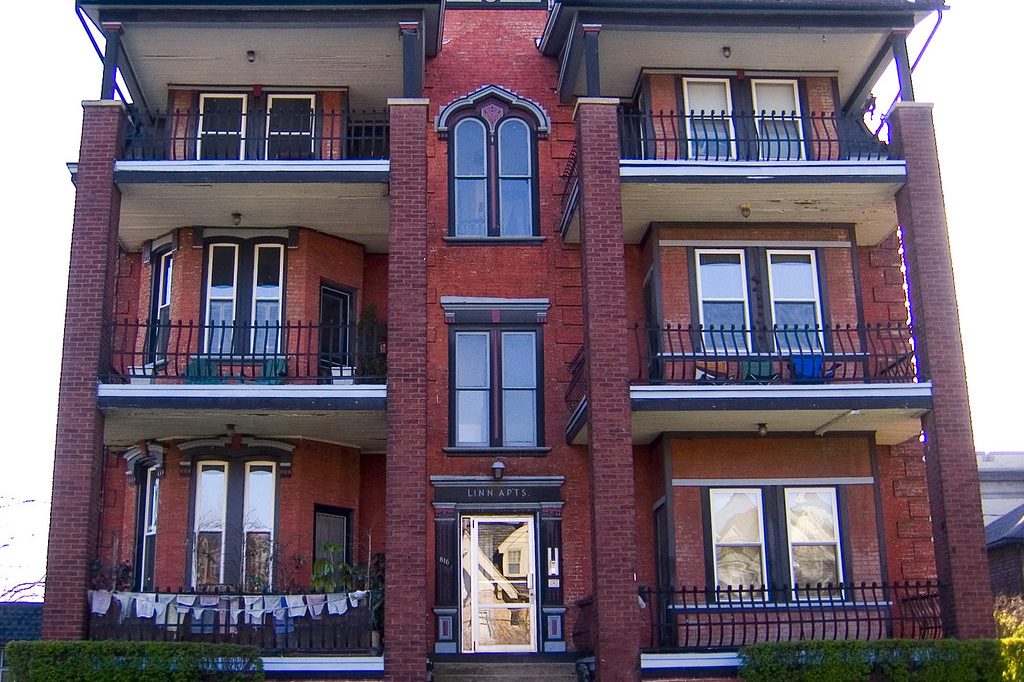
Renters never receive a property tax bill, but that does not mean they do not pay it. The landlord owns the building and pays the tax, and like insurance and repairs, it is one of the costs that rent has to cover. In high-tax places, property tax can be a noticeable share of what a tenant pays each month.
How the tax gets into your rent
A landlord sets rent based on what the market will bear and what the building costs to own. Property tax is often the largest operating cost after the mortgage. When it rises, landlords try to pass the increase on at renewal. Whether they succeed depends on local demand: in a tight rental market they usually can, and in a soft one they may have to absorb some of it.
Economists generally find that renters bear a large share of property tax over time, though not always all of it. The short version is that rent in a high-tax county tends to be higher than it would otherwise be.
A rough way to estimate your share
You can make a rough estimate with two numbers: the property’s market value and the local effective rate. Our county pages show the typical effective rate for every county.
Say you rent a single-family house worth $300,000 in a county with a 1.5% rate. The yearly tax is about $4,500, or $375 a month. If your rent is $2,000, property tax is about a fifth of it.
For an apartment, divide the building’s tax by the number of units. Apartment buildings are sometimes taxed at different rates from homes. In some states, rental and commercial property is taxed at a higher rate or on a larger share of value than owner-occupied homes, which raises the amount built into rent.
Nationally, the typical gross rent in the Census survey is $1,413 a month, against a typical owner’s property tax of $3,119 a year, or about $260 a month.
States that give renters money back
Several states recognize that renters pay property tax indirectly and offer credits or rebates.
- Minnesota gives a renter’s credit, based on rent paid and household income, claimed each year with a certificate from the landlord.
- Michigan’s Homestead Property Tax Credit counts part of rent as property tax for eligible renters.
- Pennsylvania’s Property Tax/Rent Rebate Program covers older adults and people with disabilities who rent, below an income limit.
- Vermont, Wisconsin, Maine and a few others have renter credits or rebates of their own.
Most are income-limited and claimed through the state revenue department, sometimes on the state income tax return. If you rent in one of these states and have modest income, it is worth checking.
Can a landlord raise rent because of property tax?
In most places, a landlord can raise rent at renewal for any lawful reason, including higher taxes, subject to the lease and local rent rules. Some rent-regulated buildings allow specific pass-throughs for tax increases. During a fixed-term lease, rent usually cannot change unless the lease says so.
What renters can watch
Local votes on levies, bonds and tax rates affect renters too. A school levy that adds $200 a year to a typical home’s bill will likely show up in rents over the next year or two. Renters can vote in those elections like any other resident.
Common questions
Do renters pay property tax directly? No. The landlord pays it, and it is built into rent.
Can renters deduct property tax on federal taxes? No. The federal deduction is only for taxes you pay directly.
Will rent go down if property taxes are cut? Sometimes, slowly, and usually only in markets with plenty of vacant units. Most tax cuts aimed at homesteads do not apply to rental property at all.
Figures from the US Census Bureau American Community Survey, 2020-2024. How we calculate them.