Oklahoma · November 6, 2026
Oklahoma voters reject State Question 847, a tighter cap on property tax growth
SQ 847 would have cut the yearly cap on homestead value growth from 3% to 1.75%. It failed with about 54% voting no.
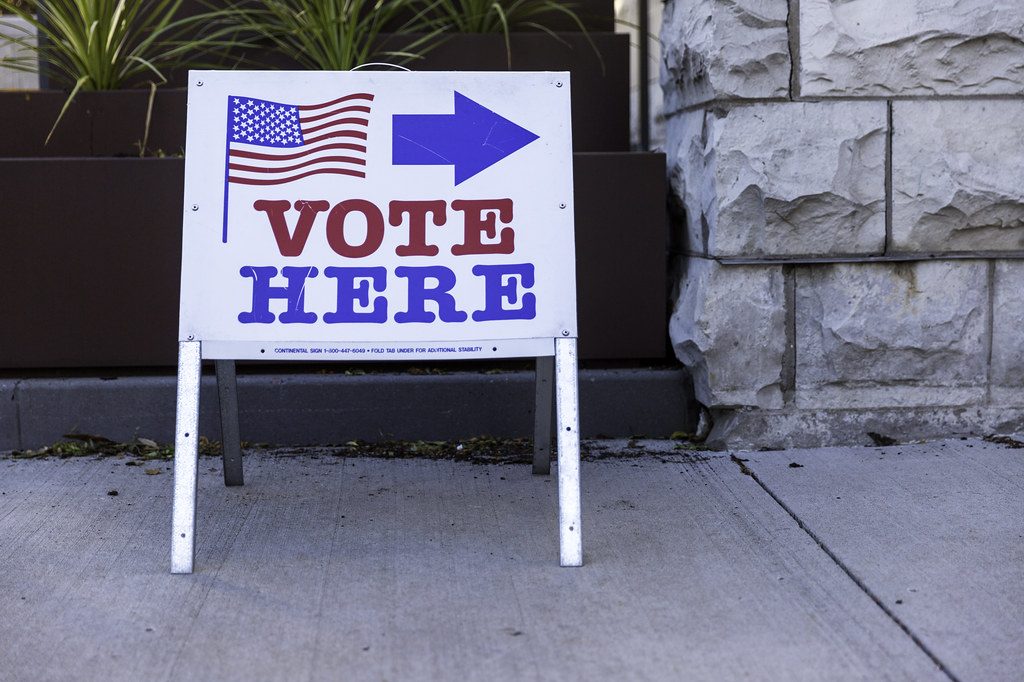
Oklahoma voters turned down a constitutional amendment on Tuesday that would have slowed how fast property values can rise for tax purposes. State Question 847 failed with about 54.3% voting no and 45.7% voting yes, according to unofficial results.
Oklahoma already limits how much the taxable value of a property can grow each year. For homesteads and agricultural land, the cap is 3%. For most other real property, it is 5%. SQ 847 would have lowered those caps to 1.75% and 4%.
The measure also would have changed the protection for seniors. Today, Oklahoma homeowners who are 65 or older and meet an income limit can have their home’s value frozen. SQ 847 would have replaced that freeze with a sliding scale: no increase for seniors at or below the area median income, and small yearly increases, from 0.35% up to 1.75%, for seniors with higher incomes.
Why it lost
Supporters argued the change would protect seniors on fixed incomes and farmers and ranchers, who owe property tax whether or not they have a good year. Opponents, including many school and local government groups, said a tighter cap would slow revenue for schools, career-tech centers, roads and emergency services, and that it would not lower anyone’s current bill. Some warned that taxes could even rise for some owners as communities pay off existing bonds with a slower-growing tax base.
How Oklahoma compares
Oklahoma is already a lower-tax state for homeowners. Census survey figures for 2020 to 2024 put the typical Oklahoma bill at $1,599 a year, about 0.80% of a median home worth $199,800. That is below the national typical rate of about 0.94% and ranks in the bottom half of states.
The two big metro counties are higher than the state average. In Oklahoma County, home to Oklahoma City, the typical bill is $2,155 on a home worth $222,900, a rate of about 0.97%. In Tulsa County it is $2,227 on a home worth $230,400, also about 0.97%.
The value caps matter most when home prices climb quickly. When the market rises faster than 3% a year, a homestead’s taxable value falls behind its market value, and the gap grows each year the owner stays. That is one reason owners without a mortgage, who tend to have owned longer, report lower bills: in Oklahoma County the typical bill is $1,714 for owners without a mortgage and $2,438 for those with one.
What happens next
With SQ 847 defeated, the current caps stay in place: 3% for homesteads and agricultural land and 5% for other property, plus the existing senior freeze for those who qualify. Seniors who meet the age and income rules need to apply with their county assessor to receive the freeze. Anyone who thinks their assessed value is too high can still appeal it after receiving their notice.
Common questions
What was State Question 847? A proposed amendment to lower Oklahoma’s yearly caps on taxable value growth, from 3% to 1.75% for homesteads and farmland and from 5% to 4% for other property.
Did it pass? No. About 54% of voters rejected it.
What is the typical property tax in Oklahoma? About $1,599 a year on a median home, an effective rate near 0.80%.
Is there still a senior freeze? Yes. Eligible homeowners 65 and older who meet the income limit can still apply for a value freeze.
Sources: Ballotpedia, Oklahoma State Question 847 (2026) · KOCO, Nov. 4, 2026